Loading...

Basic Greetings
Learn common Korean greeting expressions used in daily life
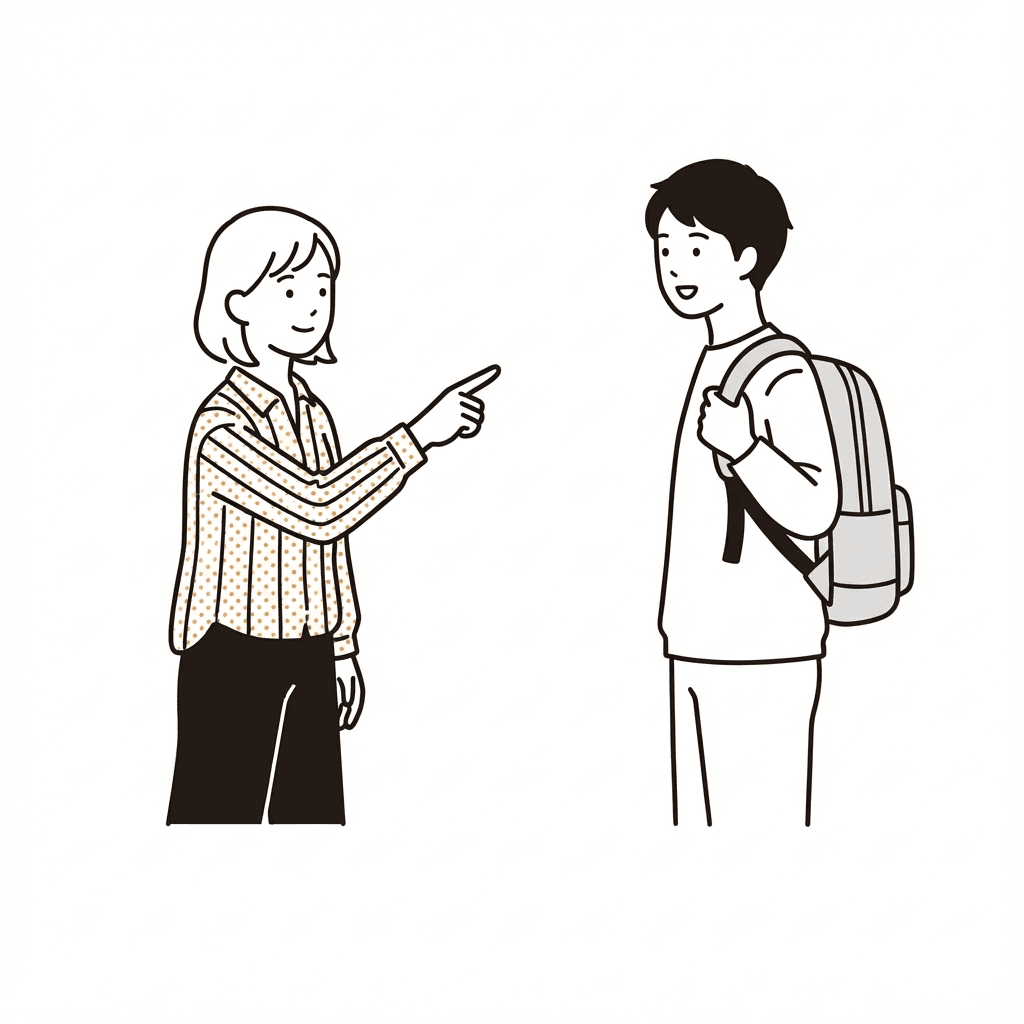
To live in Korea, you need to know basic greetings. It's important to use formal and informal speech appropriately depending on the situation.
Click a card to see when to use it!Tap a card to see when to use it!
안녕하세요
[an-nyeong-ha-se-yo]
Hello
사용 맥락
To teachers, bosses, strangers
감사합니다
[gam-sa-ham-ni-da]
Thank you
사용 맥락
Formal situations, receiving service
죄송합니다
[joe-song-ham-ni-da]
I'm sorry
사용 맥락
Serious mistakes, formal apology
반갑습니다
[ban-gap-seum-ni-da]
Nice to meet you
사용 맥락
Business, formal introductions
안녕히 가세요
[an-nyeong-hi ga-se-yo]
Goodbye (to someone leaving)
사용 맥락
When the other person is leaving
안녕히 계세요
[an-nyeong-hi gye-se-yo]
Goodbye (when you're leaving)
사용 맥락
When you are leaving
실례합니다
[sil-lye-ham-ni-da]
Excuse me
사용 맥락
Asking for directions, getting attention
고마워요
[go-ma-wo-yo]
Thanks
사용 맥락
Casual thanks to familiar people
미안해요
[mi-an-hae-yo]
Sorry
사용 맥락
Minor mistakes, casual situations
만나서 반가워요
[man-na-seo ban-ga-wo-yo]
Nice to meet you
사용 맥락
Casual first meetings
잘 지내세요?
[jal ji-nae-se-yo]
How are you?
사용 맥락
Asking about someone you know
잠시만요
[jam-si-man-yo]
Just a moment
사용 맥락
Asking someone to wait briefly
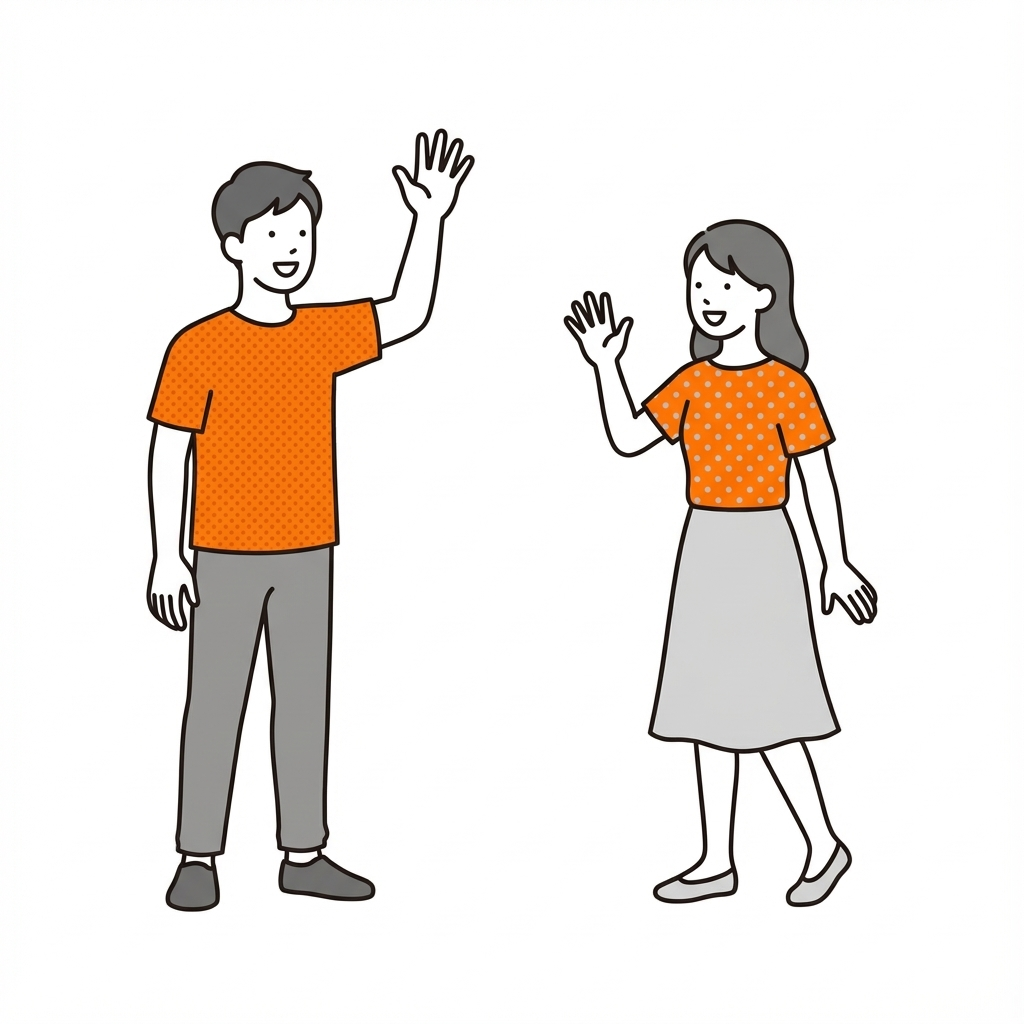
안녕
[an-nyeong]
Hi/Bye

네
[ne]
Yes
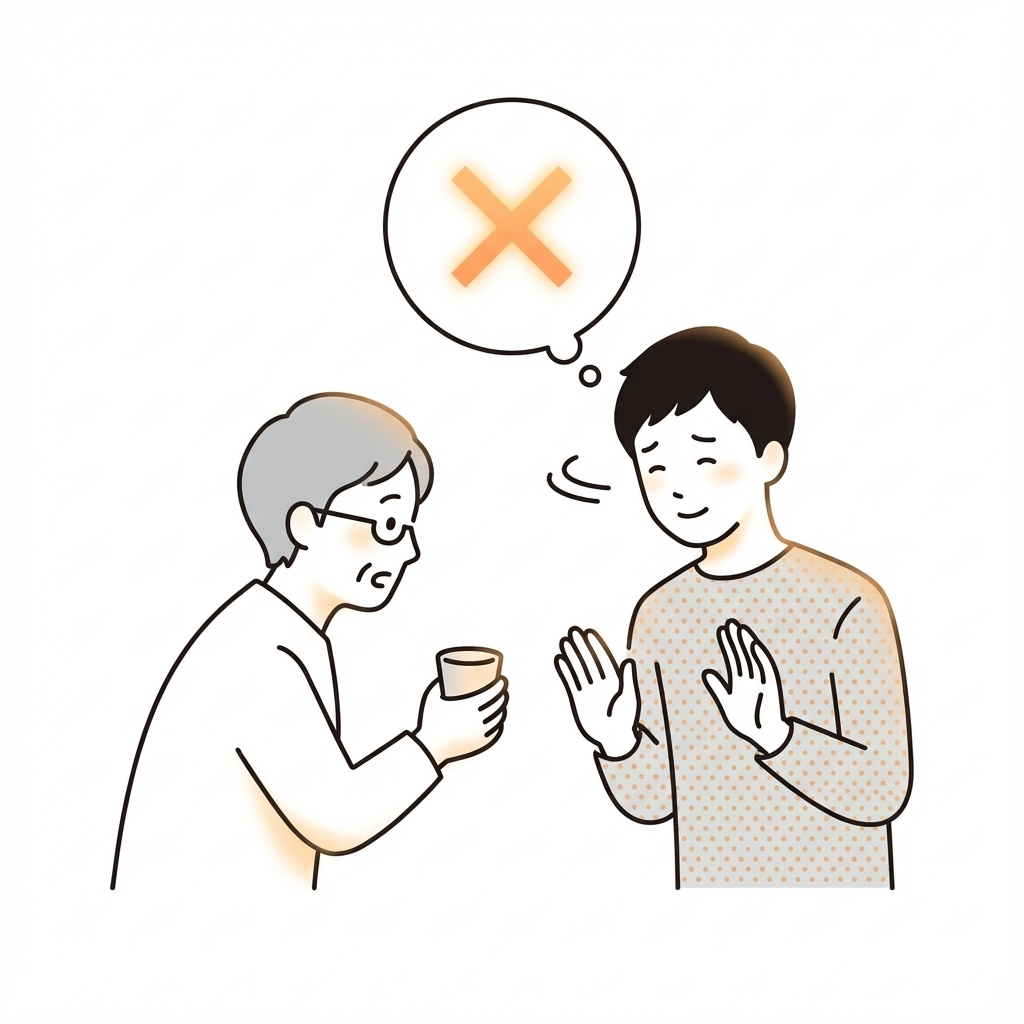
아니요
[a-ni-yo]
No

Learn more effectively with flashcards